"Why won't they listen?"
"Why does every small thing turn into a meltdown?"
"Why is getting dressed, brushing teeth, or leaving the house such a battle?"
If you have ever found yourself asking these questions, you are not alone.
Every child has difficult moments; it’s part of being human. Feeling overwhelmed, refusing to listen, physical aggression, anxiety, or emotional meltdowns can all be part of typical development. However, when these behaviours become frequent, intense, or begin affecting your child's friendships, learning, or daily life, it may be a sign that they need extra support.
The good news? Challenging behaviours are not random, and they are not a sign of "bad behaviour" or poor parenting. Instead, they are your child's way of communicating a need, emotion, or challenge they do not yet know how to effectively express. [1]
Behaviour is Communication
Imagine feeling overwhelmed, frustrated, anxious, or confused, but not knowing how to explain it.
Many children feel this way when big emotions become too difficult to manage. Even when they have the words, they may not yet have the emotional regulation or coping skills to express themselves in the moment. Instead, their behaviour often does the talking.
For example:
- A child who refuses to get dressed may be feeling overwhelmed by transitions.
- A child who has a meltdown in the grocery store may be experiencing anxiety or sensory overload.
- A child who lashes out at a sibling may be struggling to regulate frustration.
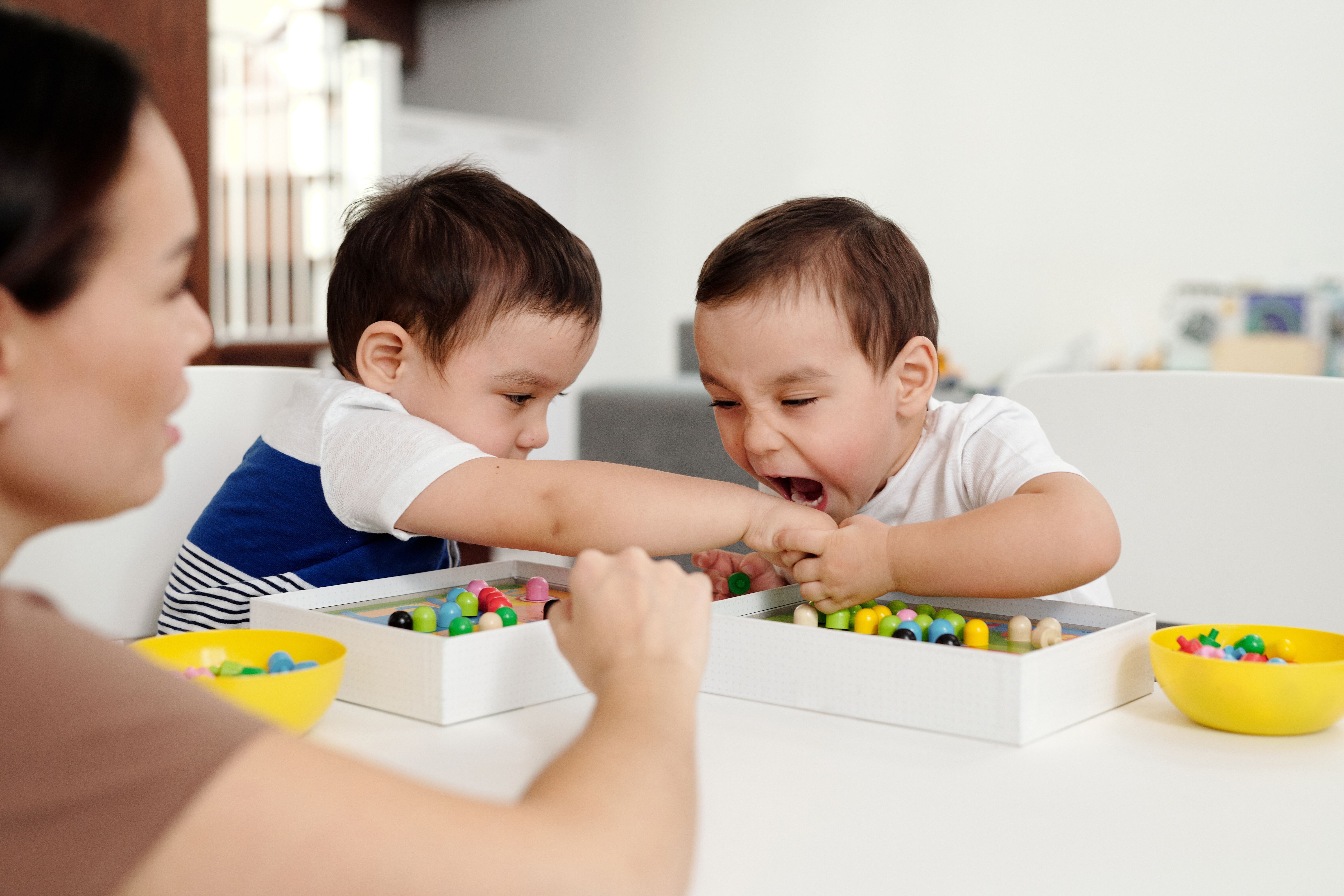
Instead of asking, "How do we stop this behaviour?" we encourage parents to ask, "What is my child trying to tell me?" That single shift in perspective can completely change the way we respond.
Every child is different, and challenging behaviours can stem from many underlying difficulties including:
- Difficulty regulating emotions
- Anxiety or stress
- ADHD, autism, or other neurodevelopmental differences
- Changes in routine or transitions
- Difficulty communicating wants and needs
- Sensory sensitivities
When we understand why a behaviour is happening, we can begin teaching children healthier, more effective ways to meet those same needs.
So, What is Behaviour Therapy and How Does It Help?
If behaviour is communication, how do we help children communicate more effectively? That's where behaviour therapy comes in.
Using evidence-based strategies, behaviour therapists seek to understand why behaviours happen by identifying their underlying function, then work alongside children and their families to teach practical skills that help children successfully navigate everyday life across home, school, and community settings.[2]
These might include learning how to:
- Communicate needs effectively
- Regulate emotions
- Manage frustration and anxiety
- Solve problems
- Cope with change and transitions
- Build social skills
- Increase independence and confidence
As every child is different, therapy is individualized to their unique strengths, challenges, interests, and goals.
The goal is NOT to change who your child is.
The goal IS to help them feel more successful, confident, and understood.
The Most Important Member of the Team? You.
Parents play one of the biggest roles in their child's progress.
Behaviour therapy is not just about working with the child, it's about partnering with families. Research highlights the important role parents play in supporting their child's progress, and involving caregivers helps children practice and apply new skills across their everyday routines.[3] When strategies are used consistently at home, children have more opportunities to practice and generalize these skills in everyday life.[4]
Small changes at home can make a big difference.
1. Catch the Good
Children repeat behaviours that receive attention.
For example, instead of saying "Good job," try being specific, "I love how you put your shoes away the first time I asked" or "You stayed so calm when it was time to leave the park, that was amazing!"
Specific praise helps children understand exactly what they are doing well.
2. Keep Expectations Clear
Sometimes children are not refusing, they simply may not grasp what is expected.
Instead of saying “Clean your room,” try breaking the task into simple and manageable steps:
- “Put your toys in the toy bin”
- “Put your dirty clothes in the laundry basket”
- “Place your books on the shelf.”
Clear expectations reduce frustration for everyone.
3. Keep Instructions Simple
When children are overwhelmed, long explanations can make things even harder. Short, simple directions are easier to process.
You can also reduce pressure by using declarative language, making observations instead of asking repeated questions.
Could Your Child Benefit from Behaviour Therapy?
You do not have to wait until behaviours become overwhelming to seek support. If your child's behaviours are becoming more frequent or intense, if everyday routines are starting to feel stressful, or if you find yourself walking on eggshells to avoid a meltdown, behaviour therapy can help.
Early support can make a meaningful difference by helping children build the skills they need to communicate, regulate their emotions, solve problems, and navigate everyday challenges with greater confidence.
The earlier we understand what's driving a behaviour, the sooner we can teach the skills that help children succeed.
How ABC Solutions Can Help
At ABC Solutions, we provide compassionate, individualized behaviour therapy for children and families across Greater Montreal and the West Island.
Our behaviour therapists work closely with families to create personalized treatment plans that support:
- Emotional regulation
- Communication and social skills
- Daily routines and independence
- Anxiety management
- Behaviour challenges at home and school
- Confidence and resilience
If you are wondering whether behaviour therapy could help your child, we are here to answer your questions. Contact our team to learn more or book a free intake. Together, we can help your child build the skills they need to navigate everyday life with greater confidence and independence.
References
↑ 1. McCurdy, M., Skinner, C. H., & Ervin, R. A. (2017). Functional Behavioral Assessment of Nonverbal Behavior. In R. McCallum (Ed.), Handbook of Nonverbal Assessment. Springer. https://doi.org/10.1007/978-3-319-50604-3_16
↑ 2. Opland, C., & Torrico, T. J. (2024). Behavioral Therapy. In StatPearls. StatPearls Publishing. https://www.ncbi.nlm.nih.gov/books/NBK609098/
↑ 3. Kurzweil, S. (2023). Involving Parents in Child Mental Health Treatments: Survey of Clinician Practices and Variables in Decision Making. American Journal of Psychotherapy, 76(3), 107–114. https://doi.org/10.1176/appi.psychotherapy.20220025
↑ 4. Nuske, H. J., Young, A. V., Khan, F. Y., Palermo, E. H., Ajanaku, B., Pellecchia, M., et al. (2024). Systematic review: Emotion dysregulation and challenging behavior interventions for children and adolescents on the autism spectrum with graded key evidence-based strategy recommendations. European Child & Adolescent Psychiatry, 33(6), 1963–1976. https://doi.org/10.1007/s00787-023-02298-2