Do you find yourself asking
- “Why does every game we play as a family end in tears?”
- “Why do playdates never go well?”
- “Why does my child always end up arguing with other children?”
- “Why is it so hard for my child to make or keep friends?”
If these questions sound familiar, you are not alone. While every child develops social skills at their own pace, some children benefit from extra opportunities to learn and practice these skills. A social skills group provides a supportive environment where children can build confidence while practicing with peers.
When to Consider a Social Skills Group
If your child continues to have difficulty navigating social situations despite support at home, a structured social skills group may provide additional opportunities to learn and practice these skills in a supportive environment.
A social skills group may be beneficial if your child:
- Has difficulty making or maintaining friendships.
- Frequently experiences conflict with peers.
- Finds it challenging to join or participate in group activities.
- Has difficulty understanding social cues or another person's perspective.
- Avoids social situations because they feel anxious or overwhelmed.
What Happens in a Social Skills Group?
Rather than sitting at a desk and talking about friendships, children learn by interacting with other children in real-life social situations.
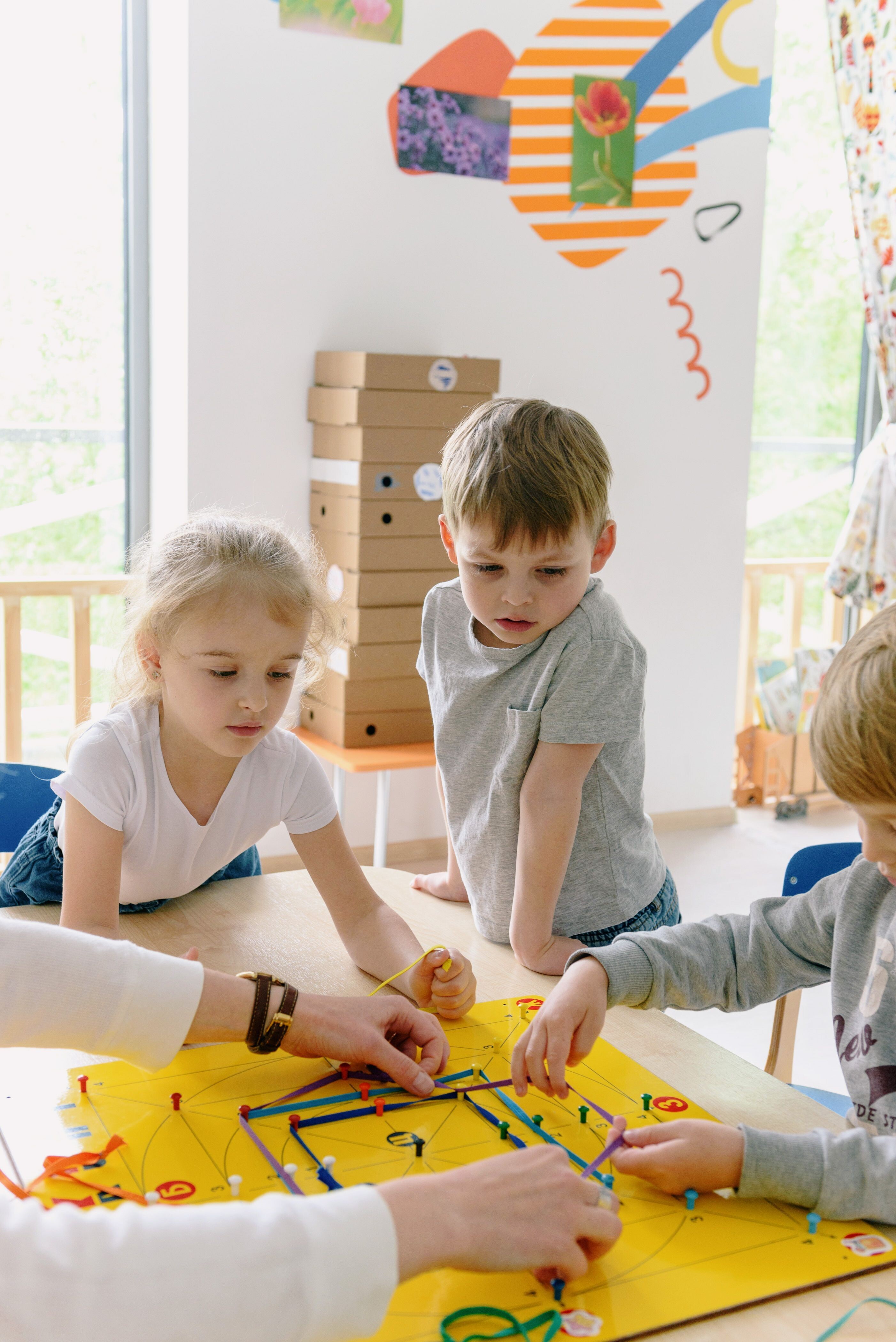
In a social skills group, children learn through games, role-playing, and guided activities that help them build confidence while practicing everyday interactions. These groups are designed to help children:
- Strengthen friendships by learning how to initiate and maintain positive peer interactions.
- Build meaningful connections through guided group activities and collaborative play.
- Improve participation in social and classroom environments.
- Develop perspective-taking skills to better understand others' thoughts and feelings.
- Learn personal boundaries and appropriate social behaviour.
- Build flexible thinking skills to better adapt to changes and unexpected situations.
- Develop conversation skills, including taking turns, listening, and staying on topic.
Why Social Skills Groups Work
Unlike one-on-one sessions, social skills groups provide natural opportunities for children to interact with peers while receiving guidance from trained professionals, allowing children to:
- Receive real-time coaching and feedback.
- Practice skills in authentic social situations.
- Generalize new skills across different settings.
- Learn from and be motivated by their peers.
- Build confidence through repeated practice.
Supporting Your Child’s Social Growth
Every child deserves the opportunity to feel confident, connected, and successful in their relationships. With the right support, social skills can be learned, practiced, and strengthened over time.
If you're noticing ongoing social challenges, you don’t have to navigate them alone. Our social skills group in Montreal or the West Island of Montreal provide children with a supportive environment to build confidence, develop meaningful friendships, and practice the skills they need to succeed at home, at school, and in their community.



Get Started
We’ll help you understand your options and guide you through next steps.
BOOK A FREE CALL