Social skills don't just develop during therapy sessions or at school, they are built through everyday experiences.
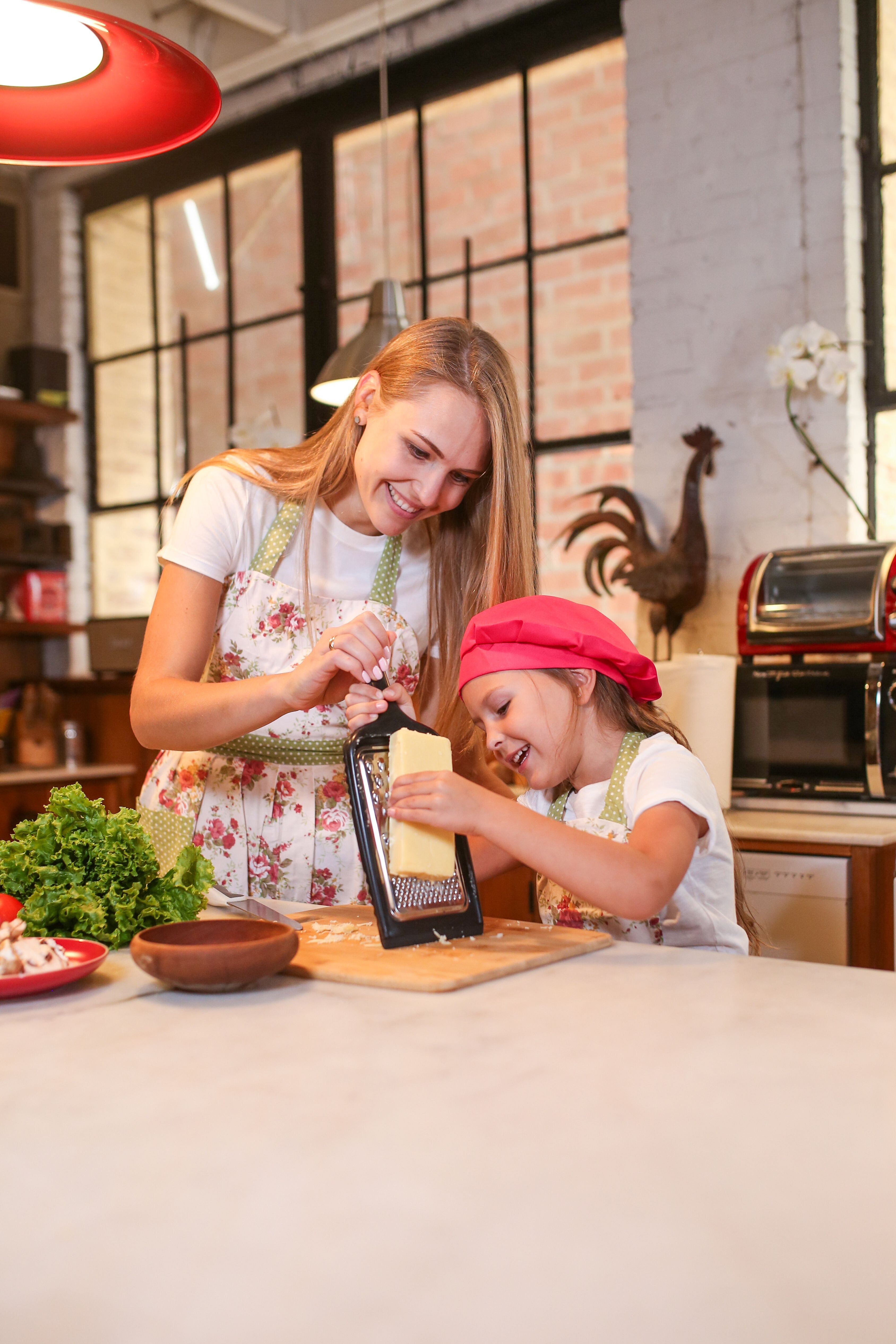
Many of the best opportunities to practice social skills happen right at home. Small, intentional moments can help your child build confidence, strengthen communication, and learn how to connect with others.
Model Positive Interactions
Children learn by observing others.
Use everyday conversations to demonstrate:
- Active listening
- Give your child attention and repeat back what they had said to show you are listening
- Taking turns
- During conversations, model waiting for your turn to speak
- Respectful communication
- Use a calm voice and kind words when communicating with others even when you are frustrated
Practice Perspective Taking
Help your child think about how other people may feel.
Ask questions including:
- "How do you think your friend felt?"
- “What do you think they were thinking?"
These conversations encourage empathy and social awareness.
Encourage Flexible Thinking
Not everything goes according to plan, and that's okay.
Gently introduce small changes to routines or play scenarios to help your child learn to adapt when things do not go as expected.
For example, if your child usually chooses the family game, next time, let another family member choose instead. Help your child practice accepting the change and finding a way to enjoy the new activity.
Teach Personal Boundaries
Children benefit from learning:
- Personal space
- Appropriate touch
- Respectful communication
- How to recognize others' boundaries
These skills support positive relationships.
Create Opportunities to Practice
Social skills improve with practice.
Arrange:
- Small playdates
- Family games
- Group activities
The goal is giving your child opportunities to interact with others in a supportive environment.
Celebrate Progress
Notice the small wins.
Praise your child when they:
- Share
- Take turns
- Solve a problem
- Try something new
Positive encouragement helps build confidence and motivates children to keep practicing.
Small Steps Make a Difference
Remember, you don't have to do everything at once. Even small, consistent opportunities to practice can make a meaningful difference over time.
If you have concerns about your child's social development, our team is here to help. Contact us to learn more about our social skills services and how we can support your child's confidence, communication, and friendships.
References
Kingery, J. N., Erdley, C. A., & Scarpulla, E. (2020). Developing social skills. In Social skills across the life span(pp. 25-45). Academic Press. https://doi.org/10.1016/B978-0-12-817752-5.00002-0



Get Started
We’ll help you understand your options and guide you through next steps.
BOOK A FREE CALL