Your child was finally having that playdate they were so excited about. Fifteen minutes later, they are arguing, someone is crying, and you’re wondering what went wrong.
Or maybe your child comes home from school and says, “No one wanted to play with me.” As a parent, it’s heartbreaking to watch. You are probably also wondering why your child is having a difficult time making friends.
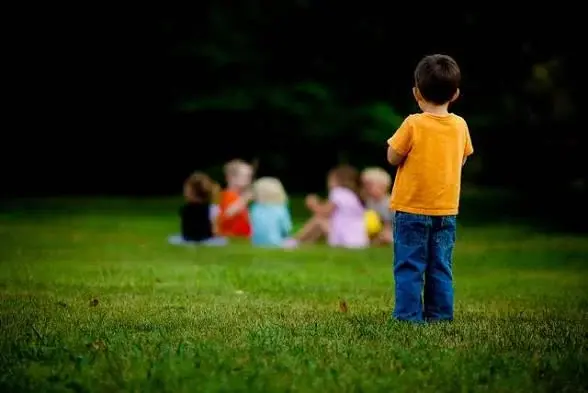
Making Friends Takes More Than Being Friendly
Making friends is not only about being kind and friendly.
Every conversation, game, or playdate requires children to use many different skills at the same time. They need to:
- Communicate their thoughts
- Understand another person's perspective
- Manage their emotions
- Cooperate with others
- Solve problems
- Adapt when situations change
When one or more of these skills is challenging, children may find it harder to navigate social situations, build meaningful friendships, and feel confident interacting with others.[1] Ultimately, difficulties with these skills make friendships frustrating rather than fun.
Did you know? Social skills are not innate. They are learned through practice and guidance.[2]
What Might Be Making Social Situations Difficult?
While there is no single reason why a child may struggle with social skills, children may struggle because they:
- Have difficulty communicating their thoughts, needs, or ideas
- Feel overwhelmed by big emotions and find it hard to stay calm
- Find adapting to change difficult, especially when games or plans don't go as expected
- Feel anxious in new or busy social situations
- Have neurodevelopmental differences, such as ADHD or autism, or other neurodevelopmental differences
You’re Not Alone
Friendships can be challenging, but they're also an opportunity to learn and grow. With the right guidance and practice, children can develop the skills they need to build meaningful relationships.
If you have concerns about your child's social development, our team is here to help. Contact us to learn more about our social skills services and how we can help your child build confidence, strengthen communication, and develop meaningful friendships.
Every child deserves the opportunity to build meaningful friendships, and with the right support, they can.
References
↑ 1. McClelland, M. M., & Scalzo, C. (2006). Social skills deficits. In M. Hersen (Ed.), Clinician's Handbook of Child Behavioral Assessment (pp. 313–334). Elsevier Academic Press. https://doi.org/10.1016/B978-012343014-4/50014-92.
↑ 2. Little, S. G., Swangler, J., & Akin-Little, A. (2017). Defining social skills. In Handbook of Social Behavior and Skills in Children (pp. 9–17). Cham: Springer International Publishing. https://doi.org/10.1007/978-3-319-64592-6_2.



Get Started
We’ll help you understand your options and guide you through next steps.
BOOK A FREE CALL