Many parents notice moments when their child becomes overwhelmed by big emotions, frequent meltdowns, difficulty calming down, or strong reactions that seem disproportionate to the situation. These challenges can impact daily routines, school performance, and family dynamics. While emotional ups and downs are a normal part of development, some children need additional support to learn how to manage their feelings effectively.
Practical Ways to Support Emotional Regulation at Home
- Name the emotion: Help your child identify what they are feeling (e.g., anger, frustration, sadness). Labeling emotions is the first step toward managing them.
- Teach calming strategies: Encourage simple techniques such as deep breathing, taking a break, or using a quiet space to reset.
- Model regulation: Children learn from observing adults. Demonstrate calm responses during stressful situations.
- Create predictable routines: Consistency helps children feel secure and better able to manage emotional responses.
- Validate feelings: Acknowledge your child’s emotions without immediately trying to fix the situation. This builds emotional awareness and trust.
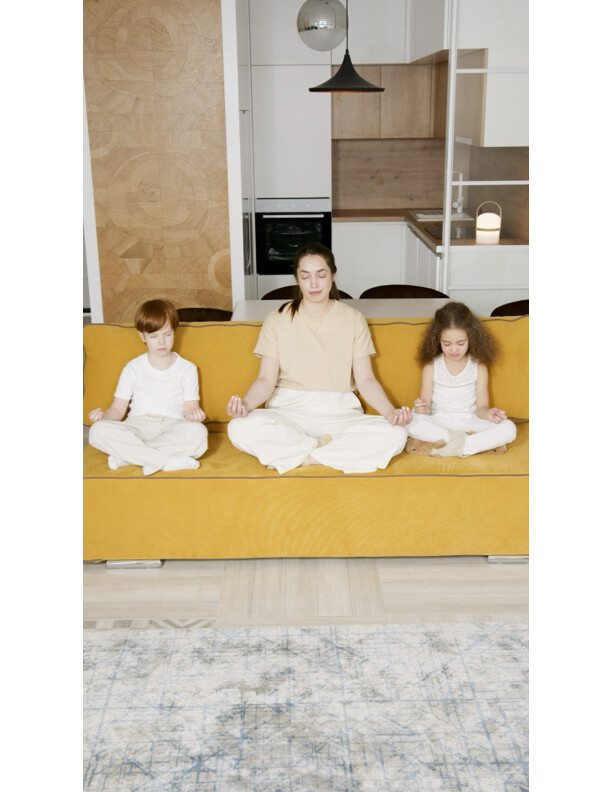
While these approaches are helpful, some children continue to struggle with managing intense emotions. When emotional challenges begin to interfere with social relationships, academic success, or overall well-being, a more structured approach can be beneficial.
When to Consider an Emotional Regulation Program
If your child is experiencing ongoing difficulty coping with big feelings, a structured emotional regulation program can provide targeted, evidence-based support.In the West Island of Montreal, these programs are designed to help children:
- Develop effective coping strategies to manage stress, frustration, and anxiety
- Learn how to navigate big emotions in a healthy and constructive way
- Build self-awareness and recognize emotional triggers
- Respond to emotions appropriately rather than reacting impulsively
A structured program offers a consistent and supportive environment where children can practice these skills with guidance from trained professionals.
What to Expect from a 10-Week Emotional Regulation Program
A comprehensive 10-week emotional regulation program provides step-by-step skill development over time, allowing children to gradually build confidence and mastery. Key components include:
- Weekly structured sessions focused on emotional awareness and coping techniques
- Skill-building activities that teach children how to manage emotions as they arise
- Real-life practice to help children apply strategies in everyday situations
- Two parent-only sessions designed to equip caregivers with tools and strategies to support their child at home
This combination of child-focused and parent-focused support ensures that progress continues beyond the sessions and into daily life.
Why Structured Emotional Regulation Support Works
Unlike unstructured approaches, a guided emotional regulation program provides:
- Consistent practice and reinforcement of skills
- Professional guidance tailored to your child’s needs
- Opportunities to build confidence in a safe, supportive setting
- Collaboration with parents to ensure long-term success
Supporting Your Child’s Emotional Growth
Emotional regulation is a foundational skill that supports mental health, social success, and academic achievement. With early and targeted intervention, children can learn to manage their emotions, build resilience, and navigate challenges more effectively.
If your child is struggling with intense emotions, exploring an emotional regulation program in Montreal or the greater Montreal area can be a valuable next step. With the right structure, tools, and support, children can gain the skills they need to feel more in control and confident in their everyday lives.



Get Started
We’ll help you understand your options and guide you through next steps.
BOOK A FREE CALL